

Executive Summary
The Crypto Friendly Cities Index 2026 ranks global cities on how effectively they support cryptocurrency use, investment and business activity. The index systematically evaluates where crypto is operationally viable, economically attractive and integrated into everyday commercial activity. The ranking combines four measurable dimensions: national regulatory environment, tax treatment, digital infrastructure and real-world crypto adoption. Together, these provide a balanced view of where crypto is not only permitted, but practical.
Executive Summary
The Crypto Friendly Cities Index 2026 ranks global cities on how effectively they support cryptocurrency use, investment and business activity. The index systematically evaluates where crypto is operationally viable, economically attractive and integrated into everyday commercial activity. The ranking combines four measurable dimensions: national regulatory environment, tax treatment, digital infrastructure and real-world crypto adoption. Together, these provide a balanced view of where crypto is not only permitted, but practical.
The Crypto Friendly Cities Index 2026 ranks global cities on how effectively they support cryptocurrency use, investment and business activity. The index systematically evaluates where crypto is operationally viable, economically attractive and integrated into everyday commercial activity. The ranking combines four measurable dimensions: national regulatory environment, tax treatment, digital infrastructure and real-world crypto adoption. Together, these provide a balanced view of where crypto is not only permitted, but practical.


Introduction
Crypto is always sold as borderless, but the reality is trickier than that. Jurisdictions still very much set the rules. Regulation decides whether exchanges can operate. Tax decides whether gains compound or leak away. Infrastructure determines transaction speed, cost efficiency, and network reliability.
The Crypto Friendly Cities Index 2026 asks a simple question: if you wanted to use, invest in, or build in crypto today, which cities would make that easiest? The Index assesses the conditions that shape everyday crypto participation: regulatory clarity, tax exposure, digital capacity, and visible adoption through infrastructure such as merchant acceptance.
Some cities bring these elements together cleanly. Others do well in one ar up ea but are constrained in another. The rankings reflect those trade-offs. In that sense, The Crypto Friendly Cities Index 2026 turns broad talk of “crypto friendliness” into a clear ranking of how effectively each city enables participation in the digital asset economy.
.jpg)
Introduction
Crypto is always sold as borderless, but the reality is trickier than that. Jurisdictions still very much set the rules. Regulation decides whether exchanges can operate. Tax decides whether gains compound or leak away. Infrastructure determines transaction speed, cost efficiency, and network reliability.
The Crypto Friendly Cities Index 2026 asks a simple question: if you wanted to use, invest in, or build in crypto today, which cities would make that easiest? The Index assesses the conditions that shape everyday crypto participation: regulatory clarity, tax exposure, digital capacity, and visible adoption through infrastructure such as merchant acceptance.
Some cities bring these elements together cleanly. Others do well in one ar up ea but are constrained in another. The rankings reflect those trade-offs. In that sense, The Crypto Friendly Cities Index 2026 turns broad talk of “crypto friendliness” into a clear ranking of how effectively each city enables participation in the digital asset economy.
Crypto is always sold as borderless, but the reality is trickier than that. Jurisdictions still very much set the rules. Regulation decides whether exchanges can operate. Tax decides whether gains compound or leak away. Infrastructure determines transaction speed, cost efficiency, and network reliability.
The Crypto Friendly Cities Index 2026 asks a simple question: if you wanted to use, invest in, or build in crypto today, which cities would make that easiest? The Index assesses the conditions that shape everyday crypto participation: regulatory clarity, tax exposure, digital capacity, and visible adoption through infrastructure such as merchant acceptance.
Some cities bring these elements together cleanly. Others do well in one ar up ea but are constrained in another. The rankings reflect those trade-offs. In that sense, The Crypto Friendly Cities Index 2026 turns broad talk of “crypto friendliness” into a clear ranking of how effectively each city enables participation in the digital asset economy.
Key Findings
Five Asia-Pacific cities land in the top 10: Led by Singapore and Hong Kong, with Taipei, Seoul, and Bangkok close behind.
Low tax jurisdictions with stable governance dominate the top tier: Singapore (Rank 1), Zurich (Rank 2), Hong Kong (Rank 3) and Dubai (Rank 4) all combine minimal capital gains tax with clear regulation, showing that tax competitiveness remains a decisive advantage.
Adoption outweighs policy announcements: Cities such as Singapore and Dubai rank highly because regulation is matched by visible crypto infrastructure, while others with supportive rhetoric but limited infrastructure rank lower.
Tax constrains otherwise strong cities: Due to their deep financial markets and infrastructure, London, Toronto and New York are in top 10 but are capped by higher capital gains exposure compared to zero-tax peers.
Crypto gravity is moving east: Singapore, Hong Kong, Taipei (Rank 7) Seoul (Rank 8) and Bangkok (Rank 10) illustrate how strong digital capacity combined with practical adoption supports sustained regional leadership.
Key Findings
Five Asia-Pacific cities land in the top 10: Led by Singapore and Hong Kong, with Taipei, Seoul, and Bangkok close behind.
Low tax jurisdictions with stable governance dominate the top tier: Singapore (Rank 1), Zurich (Rank 2), Hong Kong (Rank 3) and Dubai (Rank 4) all combine minimal capital gains tax with clear regulation, showing that tax competitiveness remains a decisive advantage.
Adoption outweighs policy announcements: Cities such as Singapore and Dubai rank highly because regulation is matched by visible crypto infrastructure, while others with supportive rhetoric but limited infrastructure rank lower.
Tax constrains otherwise strong cities: Due to their deep financial markets and infrastructure, London, Toronto and New York are in top 10 but are capped by higher capital gains exposure compared to zero-tax peers.
Crypto gravity is moving east: Singapore, Hong Kong, Taipei (Rank 7) Seoul (Rank 8) and Bangkok (Rank 10) illustrate how strong digital capacity combined with practical adoption supports sustained regional leadership.
Five Asia-Pacific cities land in the top 10: Led by Singapore and Hong Kong, with Taipei, Seoul, and Bangkok close behind.
Low tax jurisdictions with stable governance dominate the top tier: Singapore (Rank 1), Zurich (Rank 2), Hong Kong (Rank 3) and Dubai (Rank 4) all combine minimal capital gains tax with clear regulation, showing that tax competitiveness remains a decisive advantage.
Adoption outweighs policy announcements: Cities such as Singapore and Dubai rank highly because regulation is matched by visible crypto infrastructure, while others with supportive rhetoric but limited infrastructure rank lower.
Tax constrains otherwise strong cities: Due to their deep financial markets and infrastructure, London, Toronto and New York are in top 10 but are capped by higher capital gains exposure compared to zero-tax peers.
Crypto gravity is moving east: Singapore, Hong Kong, Taipei (Rank 7) Seoul (Rank 8) and Bangkok (Rank 10) illustrate how strong digital capacity combined with practical adoption supports sustained regional leadership.
Methodology
The Index is grounded in rigorous research and a multi-layered methodology. Countries were initially screened for FATF compliance, legal recognition of digital assets, economic development thresholds, and regulatory quality. They were then evaluated by measuring trading volume relative to the size of the crypto-owning population, offering a clearer view of adoption and market depth. From this universe, 54 cities were shortlisted based on digital maturity and infrastructure readiness. These cities were subsequently ranked across four core dimensions: regulatory environment, tax treatment of crypto, crypto infrastructure, and digital infrastructure.
Methodology
The Index is grounded in rigorous research and a multi-layered methodology. Countries were initially screened for FATF compliance, legal recognition of digital assets, economic development thresholds, and regulatory quality. They were then evaluated by measuring trading volume relative to the size of the crypto-owning population, offering a clearer view of adoption and market depth. From this universe, 54 cities were shortlisted based on digital maturity and infrastructure readiness. These cities were subsequently ranked across four core dimensions: regulatory environment, tax treatment of crypto, crypto infrastructure, and digital infrastructure.
The Index is grounded in rigorous research and a multi-layered methodology. Countries were initially screened for FATF compliance, legal recognition of digital assets, economic development thresholds, and regulatory quality. They were then evaluated by measuring trading volume relative to the size of the crypto-owning population, offering a clearer view of adoption and market depth. From this universe, 54 cities were shortlisted based on digital maturity and infrastructure readiness. These cities were subsequently ranked across four core dimensions: regulatory environment, tax treatment of crypto, crypto infrastructure, and digital infrastructure.
Contributors
We asked leading voices in digital assets to unpack the trends reshaping finance, tokenized markets, and the future of global wealth.
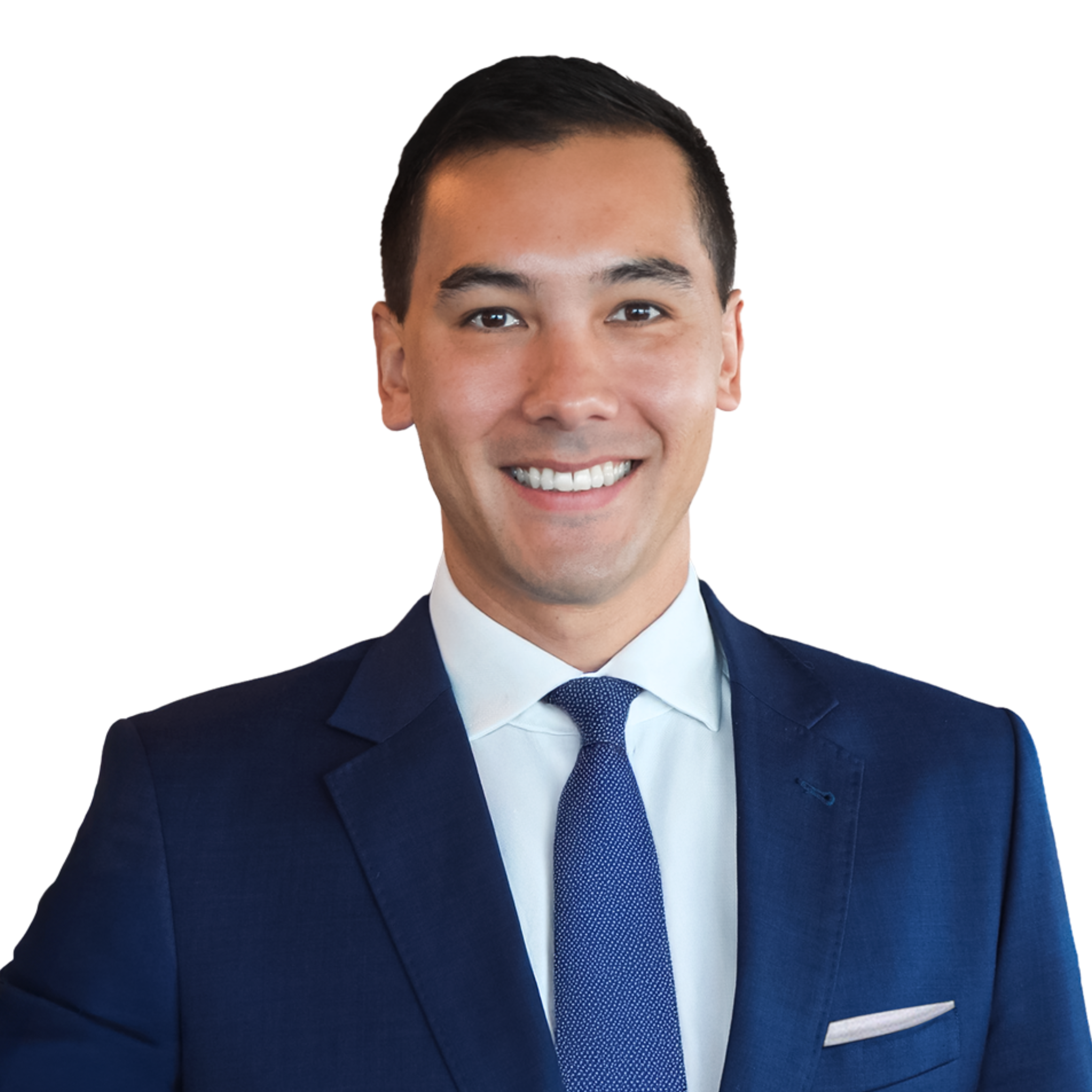
Christopher Forbes is the Head of Asia & Middle East for CMC Markets and is based in Singapore. In this role, he oversees the firm's three brands — CMC Markets, CMC Invest, and CMC Connect — throughout the regions.

Rohan Misra is the Head of GCC and SEO at AMINA Bank. Before joining AMINA, he was Partner & CEO of B&B Analytics, advising family offices and hedge funds across Europe, the Middle East, and India. He is an IIT Roorkee graduate, CFA Charterholder, and Certified FRM.
.png)
Elliot is the CEO of Aspen Digital, an independent wealth platform for family offices and UHNW clients investing in digital assets across Asia and the Middle East. Regulated under ADGM, Aspen Digital offers trading, hedge funds, venture capital, and custody solutions.
.png)
Bernard Ginalski is a Senior Director at Ripple, leading Customer & Partner Management across APAC. He also serves as a Non-Executive Director at Tranglo. Previously, he held transaction banking roles at HSBC and J.P. Morgan across Singapore, Zurich, and London.

Mark Wong is the Head of Trading at Independent Reserve, with over a decade of experience across traditional finance and digital assets. He specializes in emerging market currency strategies and NDFs, with a strong focus on market structure, trading, DeFi, and financial innovation.

Andrew Scott is the Head of Digital Assets at Marketnode, leading its tokenisation agenda. Previously CCO at QCP, he has been active in digital assets since 2018. He brings 20 years of global capital markets experience and advises institutions on digital asset adoption.

Mauricio is the founder & CEO of MOIQ Capital. Disrupting wealth management by deploying AI that supercharges a human-centric ecosystem, amplifying the lives of next-gen UHNWIs and redefining what wealth truly means

Wong Kok Hoe is the Chief Growth Officer at Chintai, a regulated pioneer in real-world asset tokenisation. He focuses on institutional adoption of blockchain infrastructure for capital markets. Previously, he held leadership roles in digital asset exchanges and private banking partnerships.
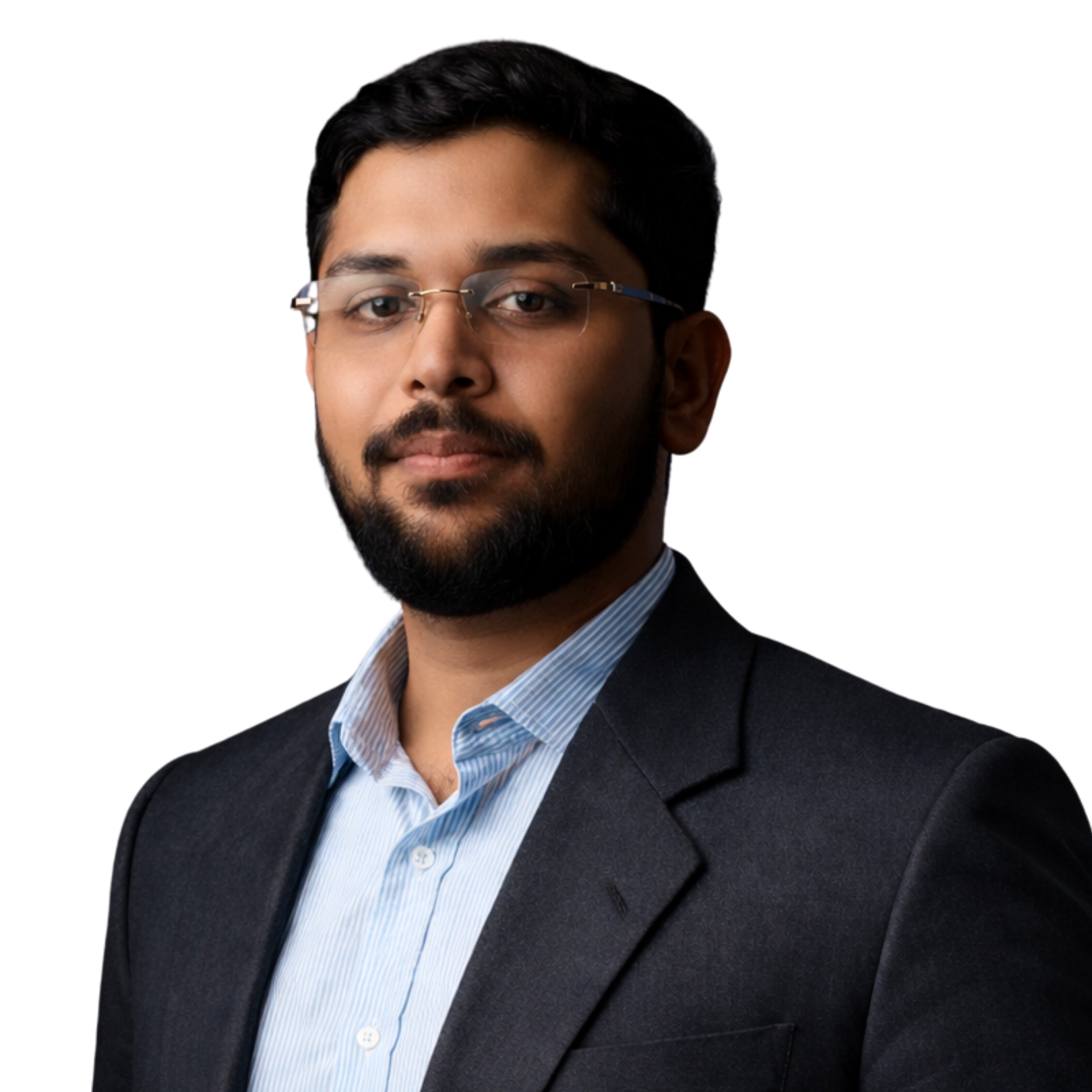
AbuBakar is an AVP of Digital Assets & Cybersecurity at RAK Bank, with 10+ years of experience across banking, fintech, and blockchain. He specializes in digital asset strategy, blockchain product development, on-chain risk monitoring, and cybersecurity within evolving regulatory environments.

.png)
-p-130x130q80.png)
.png)


Articles