


The Crypto Friendly Cities Index 2026
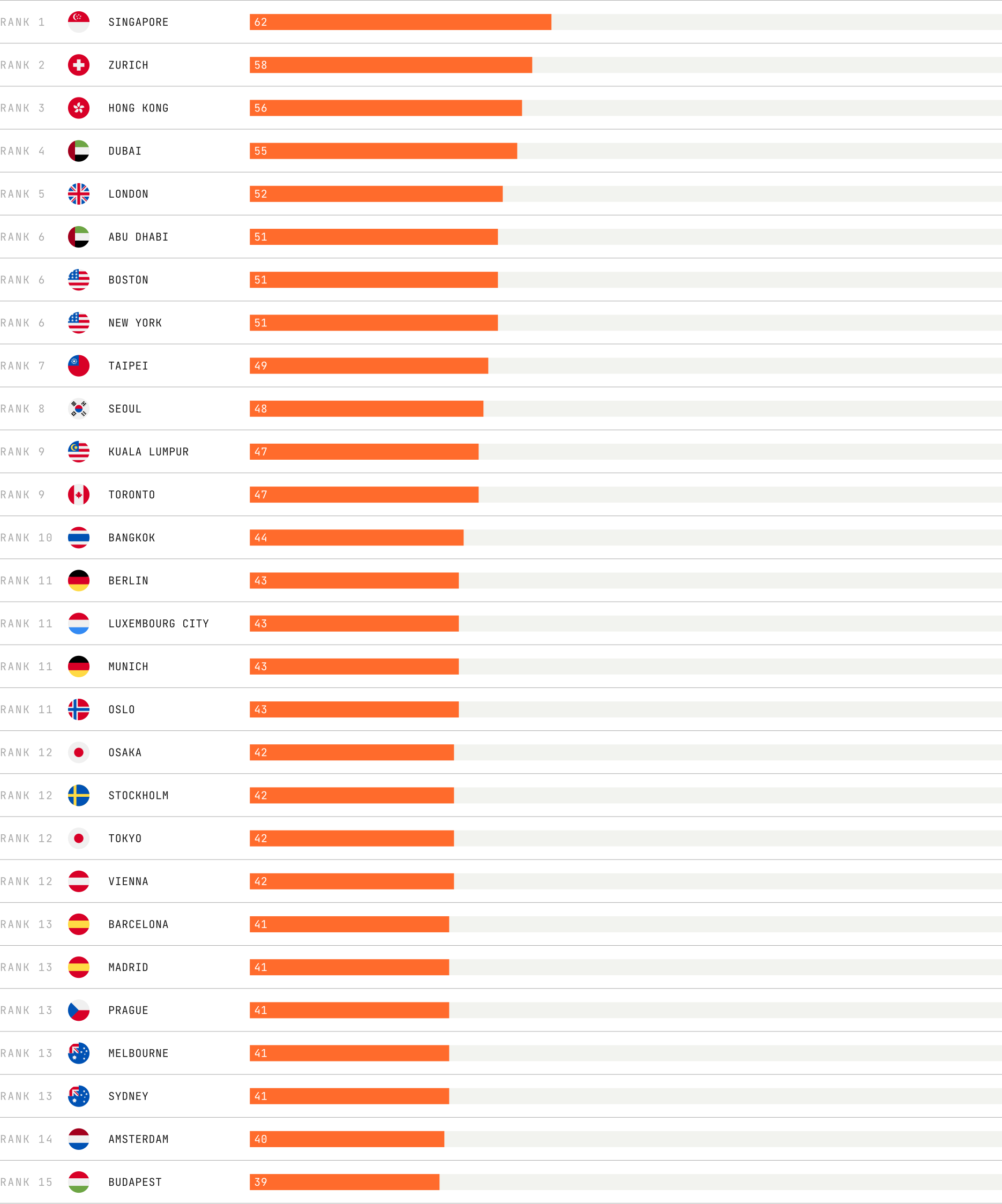
An index measuring relative attractiveness of global cities for cryptocurrency use, including investment activity, digital infrastructure, regulatory clarity, tax treatment, and real-world adoption.
The Crypto Friendly Cities Index 2026
An index measuring relative attractiveness of global cities for cryptocurrency use, including investment activity, digital infrastructure, regulatory clarity, tax treatment, and real-world adoption.
An index measuring relative attractiveness of global cities for cryptocurrency use, including investment activity, digital infrastructure, regulatory clarity, tax treatment, and real-world adoption.


Key Observations
The Crypto Friendly Cities Index 2026 provides a structured view of where cryptocurrency is most effectively supported at a city level. The findings show that “crypto-friendly” competitiveness depends on how consistently regulation, tax policy, digital infrastructure, and real-world adoption function together. Cities that rank highly tend to offer predictability through clear rules, transparent tax exposure, reliable infrastructure, and visible participation, reducing uncertainty for investors, operators, and users alike.
Crypto’s centre of gravity is shifting east
Crypto’s centre of gravity is moving east. Five Asia-Pacific cities in the global top 10 reflect a regional approach that treats crypto as credible financial infrastructure. The formula is consistent: regulators set the rules first, then scale follows through digital-native populations and established payments habits.
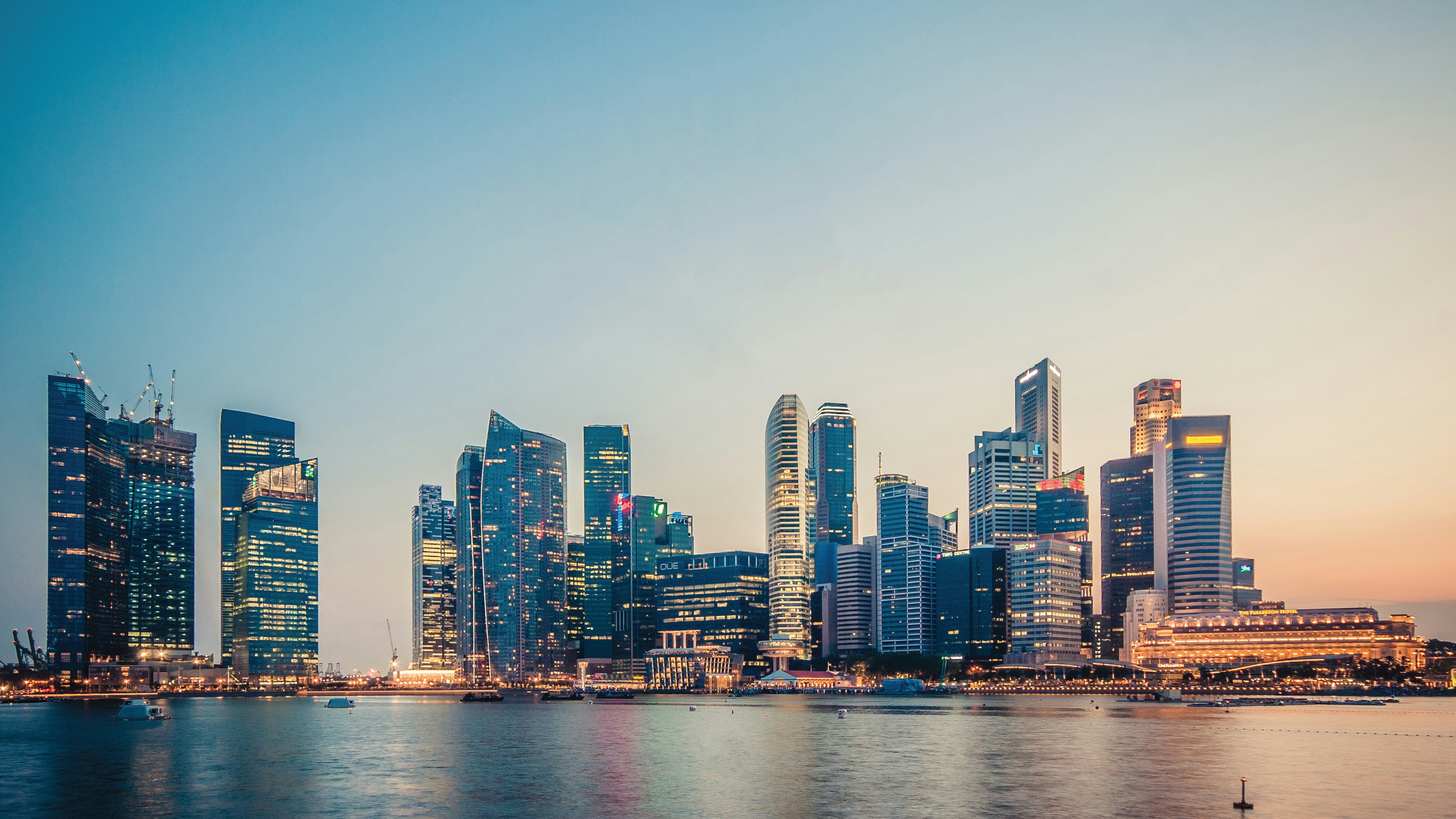
Singapore is the clearest example of rules before scale. Rather than broadly redefining stablecoins, MAS in August 2023 finalised a framework for single-currency stablecoins issued in Singapore and pegged to the Singapore dollar or a G10 currency, with requirements around reserve backing, redemption and disclosures. The same clarity has helped reinforce Singapore’s appeal to regulated global players, including Coinbase Singapore, which holds a Major Payment Institution licence to provide digital payment token services. The signal is not hype, but controlled integration
Hong Kong is executing a similar playbook, combining licensing with market access. The SFC (Securities and Futures Commission) publishes the regulatory status of virtual asset trading platforms, and Reuters reported in December 2024 that the number of licensed platforms had risen to seven and more recently to 13. It also expanded beyond exchange licensing into institutional wrappers, launching Asia’s first spot bitcoin and ether ETFs in April 2024. That matters because it makes crypto exposure compatible with regulated custody and distribution.
Beyond the two hubs, mid-tier upgrades are tightening the regional rulebook. South Korea implemented the Virtual Asset User Protection Act from July 19, 2024, introducing user-asset protections and market-abuse rules. Taiwan’s FSC issued AML registration requirements for virtual asset service providers in late 2024, formalizing who can operate and on what terms.
Bangkok adds the policy‑incentive twist. Thailand’s SEC launched a Digital Asset Regulatory Sandbox in August 2024. Thailand’s Ministry of Finance also introduced a five‑year personal income tax exemption on capital gains from crypto/digital token disposals made through licensed operators (January 1, 2025 to December 31, 2029). That’s a direct “come build here” signal—one that tends to translate into adoption, not just headlines.
Low tax but high credibility is the recipe
Crypto friendliness is certainly shaped by after-tax outcome, but low tax without reliable governance, stability and workable market infrastructure means very little. Singapore, Hong Kong, Zurich and Dubai stand out because they combine favourable tax treatment for many crypto investors with clearer rules and visible institutional plumbing. In Singapore, long-term gains on digital tokens are generally not taxed because there is no capital gains tax, although trading-like activity can still be taxed as income. Hong Kong does not tax gains that are capital in nature, while continuing to sharpen its institutional framework and moving to extend tax concessions for eligible funds and family offices to include digital assets. Zurich benefits from Switzerland’s treatment of private crypto gains as generally tax-free for individuals, subject to the usual commercial-trading caveat, alongside a mature regulatory ecosystem that FINMA helped legitimise early through approvals for crypto-native banks such as Sygnum. Dubai combines the UAE’s no-individual-income-tax regime with a purpose-built virtual-asset regulator, while VARA’s public register makes licensing status unusually transparent. The common thread is simple: low tax plus clear rules attracts platforms, liquidity and everyday usability.
For long-term crypto investors, tax and regulatory efficiency remain two of the most decisive variables. Established financial centres such as London and New York offer credibility, liquidity, and oversight, but they can also involve more layered tax consequences and heavier compliance demands for both investors and firms. That can make participation less simple and, in some cases, less efficient from a net return's perspective. In contrast, hubs such as Singapore, Hong Kong, and Dubai have positioned themselves more competitively by pairing clearer rulebooks with smoother market access and, in certain cases, lighter tax exposure. The result is a more attractive environment for long-term holders, founders, and businesses building around digital assets.
Proof over policy matters most
If regulation is the press release, infrastructure is the proof. That is why our methodology privileges what is operational, not what is merely promised. Dubai stands out where policy is matched by visible market structure. VARA maintains a public register of VASPs that are either fully licensed or hold in-principle approval, and firms such as Binance FZE and OKX Middle East Fintech FZE appear there with active licence records and clearly stated permitted activities. Beyond licensing, Dubai Finance signed an MoU with Crypto.com to enable future cryptocurrency payments for government fees, while Dubai Duty Free signed a separate MoU with Crypto.com to explore crypto payments in-store and online. Read carefully, these are strong institutional adoption signals, though they are still better treated as implementation steps than proof of fully live retail rails. Reuters also reported that DAMAC signed a US$1 billion deal with MANTRA to tokenize Middle East assets; DAMAC’s broader asset base includes real estate and data centres, though the report does not clearly specify the exact composition of the tokenised pool.
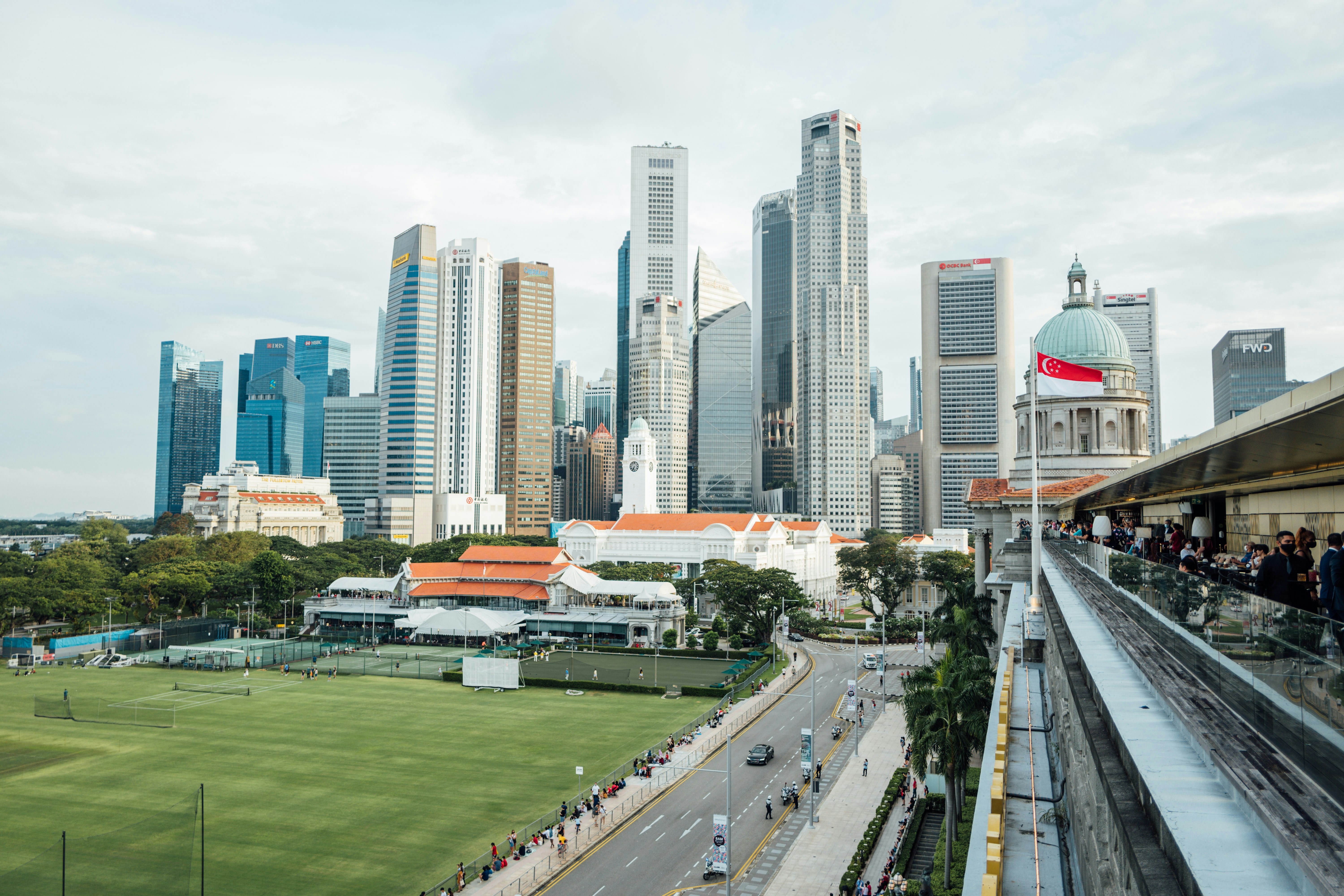
Singapore’s adoption story is quieter but tangible on the payments side. MAS said its stablecoin framework aims to facilitate regulated stablecoins as a credible digital medium of exchange, and Metro’s rollout with dtcpay provides a concrete merchant example of stablecoin payments appearing at checkout, both in-store and online. Elsewhere in Asia, Hong Kong has built regulated access through SFC-licensed trading platforms and Asia’s first batch of spot virtual-asset ETFs. Thailand has taken a sandbox route, South Korea has emphasised user-asset protection and unfair-trading rules through the Virtual Asset User Protection Act, and Taiwan has formalised VASP AML registration while also inviting financial institutions to apply for a virtual-asset custody pilot. For precision, those last three are better framed as Thailand, South Korea, and Taiwan policy choices rather than Bangkok, Seoul, and Taipei alon
Key Observations
The Crypto Friendly Cities Index 2026 provides a structured view of where cryptocurrency is most effectively supported at a city level. The findings show that “crypto-friendly” competitiveness depends on how consistently regulation, tax policy, digital infrastructure, and real-world adoption function together. Cities that rank highly tend to offer predictability through clear rules, transparent tax exposure, reliable infrastructure, and visible participation, reducing uncertainty for investors, operators, and users alike.
Crypto’s centre of gravity is shifting east
Crypto’s centre of gravity is moving east. Five Asia-Pacific cities in the global top 10 reflect a regional approach that treats crypto as credible financial infrastructure. The formula is consistent: regulators set the rules first, then scale follows through digital-native populations and established payments habits.
Singapore is the clearest example of rules before scale. Rather than broadly redefining stablecoins, MAS in August 2023 finalised a framework for single-currency stablecoins issued in Singapore and pegged to the Singapore dollar or a G10 currency, with requirements around reserve backing, redemption and disclosures. The same clarity has helped reinforce Singapore’s appeal to regulated global players, including Coinbase Singapore, which holds a Major Payment Institution licence to provide digital payment token services. The signal is not hype, but controlled integration
Hong Kong is executing a similar playbook, combining licensing with market access. The SFC (Securities and Futures Commission) publishes the regulatory status of virtual asset trading platforms, and Reuters reported in December 2024 that the number of licensed platforms had risen to seven and more recently to 13. It also expanded beyond exchange licensing into institutional wrappers, launching Asia’s first spot bitcoin and ether ETFs in April 2024. That matters because it makes crypto exposure compatible with regulated custody and distribution.
Beyond the two hubs, mid-tier upgrades are tightening the regional rulebook. South Korea implemented the Virtual Asset User Protection Act from July 19, 2024, introducing user-asset protections and market-abuse rules. Taiwan’s FSC issued AML registration requirements for virtual asset service providers in late 2024, formalizing who can operate and on what terms.
Bangkok adds the policy‑incentive twist. Thailand’s SEC launched a Digital Asset Regulatory Sandbox in August 2024. Thailand’s Ministry of Finance also introduced a five‑year personal income tax exemption on capital gains from crypto/digital token disposals made through licensed operators (January 1, 2025 to December 31, 2029). That’s a direct “come build here” signal—one that tends to translate into adoption, not just headlines.
Low tax but high credibility is the recipe
Crypto friendliness is certainly shaped by after-tax outcome, but low tax without reliable governance, stability and workable market infrastructure means very little. Singapore, Hong Kong, Zurich and Dubai stand out because they combine favourable tax treatment for many crypto investors with clearer rules and visible institutional plumbing. In Singapore, long-term gains on digital tokens are generally not taxed because there is no capital gains tax, although trading-like activity can still be taxed as income. Hong Kong does not tax gains that are capital in nature, while continuing to sharpen its institutional framework and moving to extend tax concessions for eligible funds and family offices to include digital assets. Zurich benefits from Switzerland’s treatment of private crypto gains as generally tax-free for individuals, subject to the usual commercial-trading caveat, alongside a mature regulatory ecosystem that FINMA helped legitimise early through approvals for crypto-native banks such as Sygnum. Dubai combines the UAE’s no-individual-income-tax regime with a purpose-built virtual-asset regulator, while VARA’s public register makes licensing status unusually transparent. The common thread is simple: low tax plus clear rules attracts platforms, liquidity and everyday usability.
For long-term crypto investors, tax and regulatory efficiency remain two of the most decisive variables. Established financial centres such as London and New York offer credibility, liquidity, and oversight, but they can also involve more layered tax consequences and heavier compliance demands for both investors and firms. That can make participation less simple and, in some cases, less efficient from a net return's perspective. In contrast, hubs such as Singapore, Hong Kong, and Dubai have positioned themselves more competitively by pairing clearer rulebooks with smoother market access and, in certain cases, lighter tax exposure. The result is a more attractive environment for long-term holders, founders, and businesses building around digital assets.
Proof over policy matters most
If regulation is the press release, infrastructure is the proof. That is why our methodology privileges what is operational, not what is merely promised. Dubai stands out where policy is matched by visible market structure. VARA maintains a public register of VASPs that are either fully licensed or hold in-principle approval, and firms such as Binance FZE and OKX Middle East Fintech FZE appear there with active licence records and clearly stated permitted activities. Beyond licensing, Dubai Finance signed an MoU with Crypto.com to enable future cryptocurrency payments for government fees, while Dubai Duty Free signed a separate MoU with Crypto.com to explore crypto payments in-store and online. Read carefully, these are strong institutional adoption signals, though they are still better treated as implementation steps than proof of fully live retail rails. Reuters also reported that DAMAC signed a US$1 billion deal with MANTRA to tokenize Middle East assets; DAMAC’s broader asset base includes real estate and data centres, though the report does not clearly specify the exact composition of the tokenised pool.
Singapore’s adoption story is quieter but tangible on the payments side. MAS said its stablecoin framework aims to facilitate regulated stablecoins as a credible digital medium of exchange, and Metro’s rollout with dtcpay provides a concrete merchant example of stablecoin payments appearing at checkout, both in-store and online. Elsewhere in Asia, Hong Kong has built regulated access through SFC-licensed trading platforms and Asia’s first batch of spot virtual-asset ETFs. Thailand has taken a sandbox route, South Korea has emphasised user-asset protection and unfair-trading rules through the Virtual Asset User Protection Act, and Taiwan has formalised VASP AML registration while also inviting financial institutions to apply for a virtual-asset custody pilot. For precision, those last three are better framed as Thailand, South Korea, and Taiwan policy choices rather than Bangkok, Seoul, and Taipei alon
The Crypto Friendly Cities Index 2026 provides a structured view of where cryptocurrency is most effectively supported at a city level. The findings show that “crypto-friendly” competitiveness depends on how consistently regulation, tax policy, digital infrastructure, and real-world adoption function together. Cities that rank highly tend to offer predictability through clear rules, transparent tax exposure, reliable infrastructure, and visible participation, reducing uncertainty for investors, operators, and users alike.
Crypto’s centre of gravity is shifting east
Crypto’s centre of gravity is moving east. Five Asia-Pacific cities in the global top 10 reflect a regional approach that treats crypto as credible financial infrastructure. The formula is consistent: regulators set the rules first, then scale follows through digital-native populations and established payments habits.
Singapore is the clearest example of rules before scale. Rather than broadly redefining stablecoins, MAS in August 2023 finalised a framework for single-currency stablecoins issued in Singapore and pegged to the Singapore dollar or a G10 currency, with requirements around reserve backing, redemption and disclosures. The same clarity has helped reinforce Singapore’s appeal to regulated global players, including Coinbase Singapore, which holds a Major Payment Institution licence to provide digital payment token services. The signal is not hype, but controlled integration
Hong Kong is executing a similar playbook, combining licensing with market access. The SFC (Securities and Futures Commission) publishes the regulatory status of virtual asset trading platforms, and Reuters reported in December 2024 that the number of licensed platforms had risen to seven and more recently to 13. It also expanded beyond exchange licensing into institutional wrappers, launching Asia’s first spot bitcoin and ether ETFs in April 2024. That matters because it makes crypto exposure compatible with regulated custody and distribution.
Beyond the two hubs, mid-tier upgrades are tightening the regional rulebook. South Korea implemented the Virtual Asset User Protection Act from July 19, 2024, introducing user-asset protections and market-abuse rules. Taiwan’s FSC issued AML registration requirements for virtual asset service providers in late 2024, formalizing who can operate and on what terms.
Bangkok adds the policy‑incentive twist. Thailand’s SEC launched a Digital Asset Regulatory Sandbox in August 2024. Thailand’s Ministry of Finance also introduced a five‑year personal income tax exemption on capital gains from crypto/digital token disposals made through licensed operators (January 1, 2025 to December 31, 2029). That’s a direct “come build here” signal—one that tends to translate into adoption, not just headlines.
Low tax but high credibility is the recipe
Crypto friendliness is certainly shaped by after-tax outcome, but low tax without reliable governance, stability and workable market infrastructure means very little. Singapore, Hong Kong, Zurich and Dubai stand out because they combine favourable tax treatment for many crypto investors with clearer rules and visible institutional plumbing. In Singapore, long-term gains on digital tokens are generally not taxed because there is no capital gains tax, although trading-like activity can still be taxed as income. Hong Kong does not tax gains that are capital in nature, while continuing to sharpen its institutional framework and moving to extend tax concessions for eligible funds and family offices to include digital assets. Zurich benefits from Switzerland’s treatment of private crypto gains as generally tax-free for individuals, subject to the usual commercial-trading caveat, alongside a mature regulatory ecosystem that FINMA helped legitimise early through approvals for crypto-native banks such as Sygnum. Dubai combines the UAE’s no-individual-income-tax regime with a purpose-built virtual-asset regulator, while VARA’s public register makes licensing status unusually transparent. The common thread is simple: low tax plus clear rules attracts platforms, liquidity and everyday usability.
For long-term crypto investors, tax and regulatory efficiency remain two of the most decisive variables. Established financial centres such as London and New York offer credibility, liquidity, and oversight, but they can also involve more layered tax consequences and heavier compliance demands for both investors and firms. That can make participation less simple and, in some cases, less efficient from a net return's perspective. In contrast, hubs such as Singapore, Hong Kong, and Dubai have positioned themselves more competitively by pairing clearer rulebooks with smoother market access and, in certain cases, lighter tax exposure. The result is a more attractive environment for long-term holders, founders, and businesses building around digital assets.
Proof over policy matters most
If regulation is the press release, infrastructure is the proof. That is why our methodology privileges what is operational, not what is merely promised. Dubai stands out where policy is matched by visible market structure. VARA maintains a public register of VASPs that are either fully licensed or hold in-principle approval, and firms such as Binance FZE and OKX Middle East Fintech FZE appear there with active licence records and clearly stated permitted activities. Beyond licensing, Dubai Finance signed an MoU with Crypto.com to enable future cryptocurrency payments for government fees, while Dubai Duty Free signed a separate MoU with Crypto.com to explore crypto payments in-store and online. Read carefully, these are strong institutional adoption signals, though they are still better treated as implementation steps than proof of fully live retail rails. Reuters also reported that DAMAC signed a US$1 billion deal with MANTRA to tokenize Middle East assets; DAMAC’s broader asset base includes real estate and data centres, though the report does not clearly specify the exact composition of the tokenised pool.
Singapore’s adoption story is quieter but tangible on the payments side. MAS said its stablecoin framework aims to facilitate regulated stablecoins as a credible digital medium of exchange, and Metro’s rollout with dtcpay provides a concrete merchant example of stablecoin payments appearing at checkout, both in-store and online. Elsewhere in Asia, Hong Kong has built regulated access through SFC-licensed trading platforms and Asia’s first batch of spot virtual-asset ETFs. Thailand has taken a sandbox route, South Korea has emphasised user-asset protection and unfair-trading rules through the Virtual Asset User Protection Act, and Taiwan has formalised VASP AML registration while also inviting financial institutions to apply for a virtual-asset custody pilot. For precision, those last three are better framed as Thailand, South Korea, and Taiwan policy choices rather than Bangkok, Seoul, and Taipei alon
Conclusion
It is fair to say crypto is moving east for a practical reason: the cheapest friction stack is now in Asia and the Gulf. Singapore and Hong Kong have put crypto inside the regulated perimeter, then let scale follow through payments and institutional wrappers. Dubai adds the same outcome with a different look: clear licensing, visible retail experiments, and tokenisation deals that push on-chain rails into real commerce. London and New York still matter because liquidity and institutions concentrate there, but tax and tighter distribution rules leave them structurally less competitive. The index captures that shift by rewarding what works on the ground, not what reads well on paper.

Conclusion
It is fair to say crypto is moving east for a practical reason: the cheapest friction stack is now in Asia and the Gulf. Singapore and Hong Kong have put crypto inside the regulated perimeter, then let scale follow through payments and institutional wrappers. Dubai adds the same outcome with a different look: clear licensing, visible retail experiments, and tokenisation deals that push on-chain rails into real commerce. London and New York still matter because liquidity and institutions concentrate there, but tax and tighter distribution rules leave them structurally less competitive. The index captures that shift by rewarding what works on the ground, not what reads well on paper.
It is fair to say crypto is moving east for a practical reason: the cheapest friction stack is now in Asia and the Gulf. Singapore and Hong Kong have put crypto inside the regulated perimeter, then let scale follow through payments and institutional wrappers. Dubai adds the same outcome with a different look: clear licensing, visible retail experiments, and tokenisation deals that push on-chain rails into real commerce. London and New York still matter because liquidity and institutions concentrate there, but tax and tighter distribution rules leave them structurally less competitive. The index captures that shift by rewarding what works on the ground, not what reads well on paper.
Contributors

.png)

.png)


Articles