

"This is exactly why I am so bullish on Asia Pacific as a region with over 60% of the world’s youth residing here."
"This is exactly why I am so bullish on Asia Pacific as a region with over 60% of the world’s youth residing here."
"This is exactly why I am so bullish on Asia Pacific as a region with over 60% of the world’s youth residing here."


Q. What do you think matters most in crypto right now, and what makes you say that?
I would say the three most important things in Crypto right now are: first, tokenization, second,tokenization and let me think, yup third, tokenization. Interestingly, one of the events thatsparked such curiosity in owning assets on chain in the first place was actually the launch ofBitcoin ETFs, which can in fact be considered the literal inverse of tokenization. Bringing Digitalnative assets to ‘real world’ investors. However, that seminal moment, alongside thecontinuing reset of crypto-supportive U.S. regulation has catalysed an era-defining shift that isgoing to bring trillions of dollars of assets onchain in the coming months and years.

Q. When you look at the next 2–3 years, what changes do you expect - technically,economically, or socially?
Technically, we should see institutional-grade blockchain infrastructure dramatically maturewith interoperability, compliant identity layers, and secure custody; making tokenized marketsviable at scale. Economically, we are already witnessing the beginning of the largestgenerational transfer of global wealth in history with estimates upwards of $100 trillion over thenext decade and a half. That should serve as a huge tailwind for the Crypto ecosystem,especially since from a social perspective the youth of today are increasingly living their livesentirely online and onchain. This is exactly why I am so bullish on Asia Pacific as a region withover 60% of the world’s youth residing here.

Q. What’s a belief you’ve changed your mind about in crypto, and what caused the shift?
When I started my journey in crypto 8 years ago; I believed it would be at least 20 years beforelarge investment banks would meaningfully embrace Crypto and more broadly Digital Assets.However, I think history has fast forwarded itself quite substantially and I could not be moreencouraged by the level of engagement today. Unsurprisingly, in an environment where you getclarity from the largest financial regulator in the world, discussions with banks have seismicallyshifted in nature from education to execution.

Q. Where do you see the biggest gap between what builders are creating and what usersactually need?
Historically, the industry could be accused of creating solutions and searching for problems.More specifically in tokenization there has been a lot supply of assets searching for buyers,with insufficient thought being given to the buyer’s needs. However, I think there has been adecisive inflection point here of late and there is a real collective focus and intent on driving theindustry forward in a purposeful manner. Indeed, over the past few years, there has been anawful lot of trial and error in tokenization, mostly error, but now the full lifecycle, utility andsecondary trading of products is being fully considered right from the build, which is great tosee.
Q. If you could redesign one part of today’s crypto ecosystem from scratch, what would youchange and why?
I am not sure that I would entirely redesign anything per se, and I fundamentally believe that weall learn a lot from failure, so it has not all been wasted energy. But if there was one thing Iwould change going forward, it would be how money is managed. I would mandate byregulation that every new bank account issued, automatically comes with an accompanyingcrypto-enabled wallet. Much of the issues around managing wealth onchain today do notcome from a lack of desire but rather a lack of readiness regarding infrastructure.
About Andrew
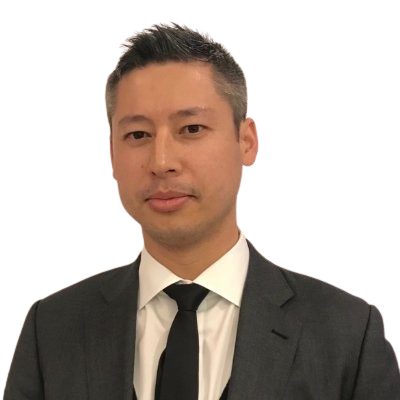
Andrew Scott is the Head of Digital Assets for Marketnode, a digital markets infrastructure backedby HSBC, Euroclear, the SGX Group & Temasek, where he spearheads the firm’s tokenisation agenda.He joined Marketnode from QCP, where he was Chief Commercial Officer, and has been activelyengaged in the digital asset ecosystem since 2018. A recognised expert on institutional adoption,Andrew has advised both crypto-native founders and senior executives at global financial institutions.He brings two decades of experience in traditional capital markets, having served as a Hedge Fund Partner and as a Managing Director in Investment Banking across London, New York, Hong Kong, and Tokyo. In 2020, he was named one of the Top 100 People on Wall Street. A frequent speaker at leading industry conferences, Andrew is also a guest commentator on TV and regularly quoted in financial andcrypto media. Andrew graduated from the London School of Economics, with a BSc in Finance.
Q. What do you think matters most in crypto right now, and what makes you say that?
I would say the three most important things in Crypto right now are: first, tokenization, second,tokenization and let me think, yup third, tokenization. Interestingly, one of the events thatsparked such curiosity in owning assets on chain in the first place was actually the launch ofBitcoin ETFs, which can in fact be considered the literal inverse of tokenization. Bringing Digitalnative assets to ‘real world’ investors. However, that seminal moment, alongside thecontinuing reset of crypto-supportive U.S. regulation has catalysed an era-defining shift that isgoing to bring trillions of dollars of assets onchain in the coming months and years.
Q. When you look at the next 2–3 years, what changes do you expect - technically,economically, or socially?
Technically, we should see institutional-grade blockchain infrastructure dramatically maturewith interoperability, compliant identity layers, and secure custody; making tokenized marketsviable at scale. Economically, we are already witnessing the beginning of the largestgenerational transfer of global wealth in history with estimates upwards of $100 trillion over thenext decade and a half. That should serve as a huge tailwind for the Crypto ecosystem,especially since from a social perspective the youth of today are increasingly living their livesentirely online and onchain. This is exactly why I am so bullish on Asia Pacific as a region withover 60% of the world’s youth residing here.
Q. What’s a belief you’ve changed your mind about in crypto, and what caused the shift?
When I started my journey in crypto 8 years ago; I believed it would be at least 20 years beforelarge investment banks would meaningfully embrace Crypto and more broadly Digital Assets.However, I think history has fast forwarded itself quite substantially and I could not be moreencouraged by the level of engagement today. Unsurprisingly, in an environment where you getclarity from the largest financial regulator in the world, discussions with banks have seismicallyshifted in nature from education to execution.
Q. Where do you see the biggest gap between what builders are creating and what usersactually need?
Historically, the industry could be accused of creating solutions and searching for problems.More specifically in tokenization there has been a lot supply of assets searching for buyers,with insufficient thought being given to the buyer’s needs. However, I think there has been adecisive inflection point here of late and there is a real collective focus and intent on driving theindustry forward in a purposeful manner. Indeed, over the past few years, there has been anawful lot of trial and error in tokenization, mostly error, but now the full lifecycle, utility andsecondary trading of products is being fully considered right from the build, which is great tosee.
Q. If you could redesign one part of today’s crypto ecosystem from scratch, what would youchange and why?
I am not sure that I would entirely redesign anything per se, and I fundamentally believe that weall learn a lot from failure, so it has not all been wasted energy. But if there was one thing Iwould change going forward, it would be how money is managed. I would mandate byregulation that every new bank account issued, automatically comes with an accompanyingcrypto-enabled wallet. Much of the issues around managing wealth onchain today do notcome from a lack of desire but rather a lack of readiness regarding infrastructure.
About Andrew
Andrew Scott is the Head of Digital Assets for Marketnode, a digital markets infrastructure backedby HSBC, Euroclear, the SGX Group & Temasek, where he spearheads the firm’s tokenisation agenda.He joined Marketnode from QCP, where he was Chief Commercial Officer, and has been activelyengaged in the digital asset ecosystem since 2018. A recognised expert on institutional adoption,Andrew has advised both crypto-native founders and senior executives at global financial institutions.He brings two decades of experience in traditional capital markets, having served as a Hedge Fund Partner and as a Managing Director in Investment Banking across London, New York, Hong Kong, and Tokyo. In 2020, he was named one of the Top 100 People on Wall Street. A frequent speaker at leading industry conferences, Andrew is also a guest commentator on TV and regularly quoted in financial andcrypto media. Andrew graduated from the London School of Economics, with a BSc in Finance.
Q. What do you think matters most in crypto right now, and what makes you say that?
I would say the three most important things in Crypto right now are: first, tokenization, second,tokenization and let me think, yup third, tokenization. Interestingly, one of the events thatsparked such curiosity in owning assets on chain in the first place was actually the launch ofBitcoin ETFs, which can in fact be considered the literal inverse of tokenization. Bringing Digitalnative assets to ‘real world’ investors. However, that seminal moment, alongside thecontinuing reset of crypto-supportive U.S. regulation has catalysed an era-defining shift that isgoing to bring trillions of dollars of assets onchain in the coming months and years.
Q. When you look at the next 2–3 years, what changes do you expect - technically,economically, or socially?
Technically, we should see institutional-grade blockchain infrastructure dramatically maturewith interoperability, compliant identity layers, and secure custody; making tokenized marketsviable at scale. Economically, we are already witnessing the beginning of the largestgenerational transfer of global wealth in history with estimates upwards of $100 trillion over thenext decade and a half. That should serve as a huge tailwind for the Crypto ecosystem,especially since from a social perspective the youth of today are increasingly living their livesentirely online and onchain. This is exactly why I am so bullish on Asia Pacific as a region withover 60% of the world’s youth residing here.
Q. What’s a belief you’ve changed your mind about in crypto, and what caused the shift?
When I started my journey in crypto 8 years ago; I believed it would be at least 20 years beforelarge investment banks would meaningfully embrace Crypto and more broadly Digital Assets.However, I think history has fast forwarded itself quite substantially and I could not be moreencouraged by the level of engagement today. Unsurprisingly, in an environment where you getclarity from the largest financial regulator in the world, discussions with banks have seismicallyshifted in nature from education to execution.
Q. Where do you see the biggest gap between what builders are creating and what usersactually need?
Historically, the industry could be accused of creating solutions and searching for problems.More specifically in tokenization there has been a lot supply of assets searching for buyers,with insufficient thought being given to the buyer’s needs. However, I think there has been adecisive inflection point here of late and there is a real collective focus and intent on driving theindustry forward in a purposeful manner. Indeed, over the past few years, there has been anawful lot of trial and error in tokenization, mostly error, but now the full lifecycle, utility andsecondary trading of products is being fully considered right from the build, which is great tosee.
Q. If you could redesign one part of today’s crypto ecosystem from scratch, what would youchange and why?
I am not sure that I would entirely redesign anything per se, and I fundamentally believe that weall learn a lot from failure, so it has not all been wasted energy. But if there was one thing Iwould change going forward, it would be how money is managed. I would mandate byregulation that every new bank account issued, automatically comes with an accompanyingcrypto-enabled wallet. Much of the issues around managing wealth onchain today do notcome from a lack of desire but rather a lack of readiness regarding infrastructure.
About Andrew
Andrew Scott is the Head of Digital Assets for Marketnode, a digital markets infrastructure backedby HSBC, Euroclear, the SGX Group & Temasek, where he spearheads the firm’s tokenisation agenda.He joined Marketnode from QCP, where he was Chief Commercial Officer, and has been activelyengaged in the digital asset ecosystem since 2018. A recognised expert on institutional adoption,Andrew has advised both crypto-native founders and senior executives at global financial institutions.He brings two decades of experience in traditional capital markets, having served as a Hedge Fund Partner and as a Managing Director in Investment Banking across London, New York, Hong Kong, and Tokyo. In 2020, he was named one of the Top 100 People on Wall Street. A frequent speaker at leading industry conferences, Andrew is also a guest commentator on TV and regularly quoted in financial andcrypto media. Andrew graduated from the London School of Economics, with a BSc in Finance.
Contributors

.png)

.png)

Articles